Adaptive & sensory gear
Alpine Muffy Baby Earmuffs — Alpine Hearing Protection (Netherlands)
Draft · Unpublished
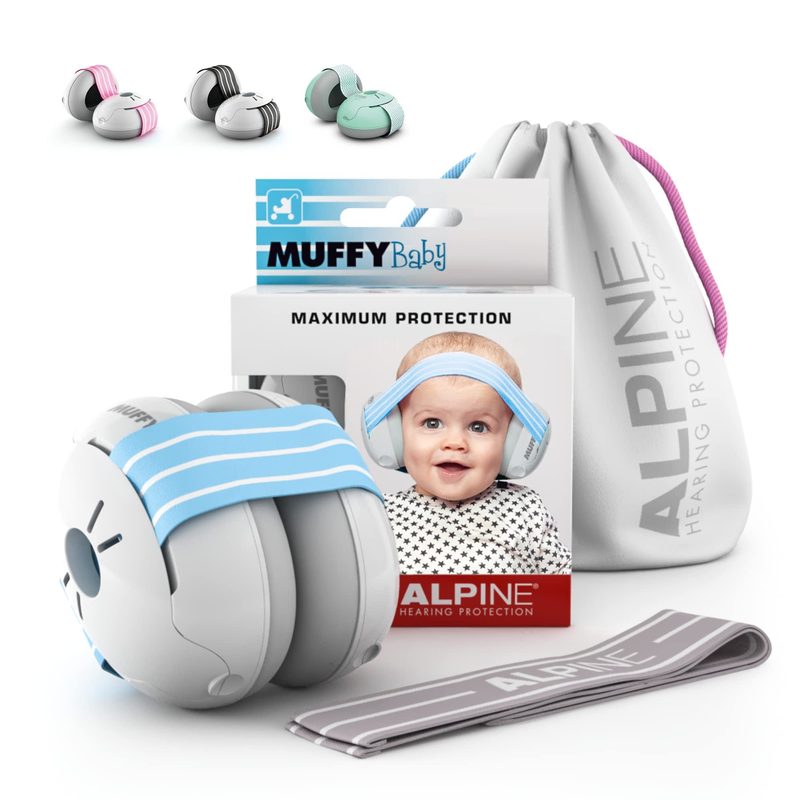
| Product | Alpine Muffy Baby Earmuffs |
|---|---|
| Maker | Alpine Hearing Protection (Netherlands) |
| Category | Adaptive & sensory gear |
| Size / format | Classic: ages 0–36 months, 23 dB; 2024 version: ages 3–48 months, 24 dB; headband fits ~17.5 in head circumference and up. |
| Observed price | $25.49 |
| Price source / date | Amazon (indexed via price tracker; classic version) · 2026-09-22 |
| Price confidence | indexed |
| Recall status | No exact-model recall found in consulted sources for window 2023-09-22 to 2026-09-22. CPSC database not directly queryable via available tools — status is unchecked, never cleared. |
Babies' hearing is fragile — Alpine's own product copy notes that a meaningful share of children end up with permanent hearing damage, and whether or not you buy their exact statistic, the underlying point is real: infant ears need protection at fireworks, concerts, air shows, and on roaring airplanes. The Muffy Baby is the product parents reach for, with ~33,600 Amazon ratings behind it, and it's held the "default baby earmuff" title since 2017.
The engineering that matters is all in the headband. Babies under 18 months have an unclosed fontanelle — the soft spot — and a rigid earmuff band pressing on it is a non-starter. Alpine's soft, wide, adjustable headband distributes pressure so there's nothing hard pressing on the skull, which is the single design decision that separates baby earmuffs from shrunken adult ones. The ear cups use multi-layer noise-reducing foam rated at 23 dB SNR, certified to both CE and ANSI standards. Materials are hypoallergenic, BPA-free, no silicone. It ships with a carrying pouch, because these live in diaper bags.
What parents actually report: babies sleep through things that should be impossible to sleep through. Fireworks, weddings with DJs, airplane cabins, stadium events — the consistent review theme is a baby napping peacefully in noise that would otherwise be distressing or harmful. The lightweight build matters here; toddlers tolerate them for extended wear precisely because they barely feel them. The adjustability gets praise too — the anti-slip headband cinches down to fit small infant heads and expands as they grow, covering roughly 0–36 months on the classic.
Now the honest problems. Fit is the whole complaint category. Active toddlers pull them off — that's not a defect, that's toddlers, but multiple review analyses note the earmuffs can slip or feel less snug on certain head shapes, which directly affects noise isolation. Getting the adjustment right takes practice; several reviewers describe a fiddly first few tries before it clicks. Second, they're earmuffs, not silence: 23 dB takes the dangerous edge off, it doesn't create a sensory-deprivation chamber, so set expectations accordingly. Third, price: at $25–$30 for the classic (and $34.95 for the 2024-updated version with 24 dB and a 3–48 month range), they're pricier than generic baby earmuffs. The certification is what you're paying for — CE & ANSI testing on a baby product is worth the premium over untested lookalikes. Fourth, hot weather: any earmuff gets sweaty in summer, and these are no exception.
The social pulse: this is a settled category with a clear winner. Review analyses converge — comfort, effectiveness, certification on the plus side; fit variability on the minus. The 2024-updated version (24 dB, slightly older age range) suggests Alpine is iterating rather than coasting. Nobody credible argues against baby hearing protection at loud events; the only debate is brand, and Alpine's certification stack wins it.
Value call: $25.49–$29.99 for the classic is fair for certified protection; the $34.95 updated version makes sense if your kid is at the top of the age range. Against $12 generic baby earmuffs with no stated certifications, this is not the place to save fifteen dollars — you're buying tested attenuation numbers, not a fashion accessory. One pair lasts through the baby years and into toddlerhood.
Bottom line: if your baby will be anywhere louder than a conversation, these go in the diaper bag. Practice the fit at home before the event.
The decision here isn't really about this earmuff versus that one — it's about whether your life contains the events that justify owning baby hearing protection at all. Fireworks, festivals, air travel, a sibling's music lessons: if two or more of those are on your calendar, buy before the event, not at it, because event-day purchases are how you end up with whatever the merch stand has. The fit check is the purchase test — a baby earmuff that slides off is decoration, so try it on in the store or keep the receipt. Compare the noise-reduction rating rather than the marketing copy; that's the one number that means something across brands. And buy them for the use case, not the aesthetics — the best baby earmuff is the one the baby keeps on, which usually means the one that fits securely, not the cutest colorway. One pair in the diaper bag beats the perfect pair you left at home.