Feeding
Philips Avent My Bendy Straw Cup — Philips Avent
Draft · Unpublished

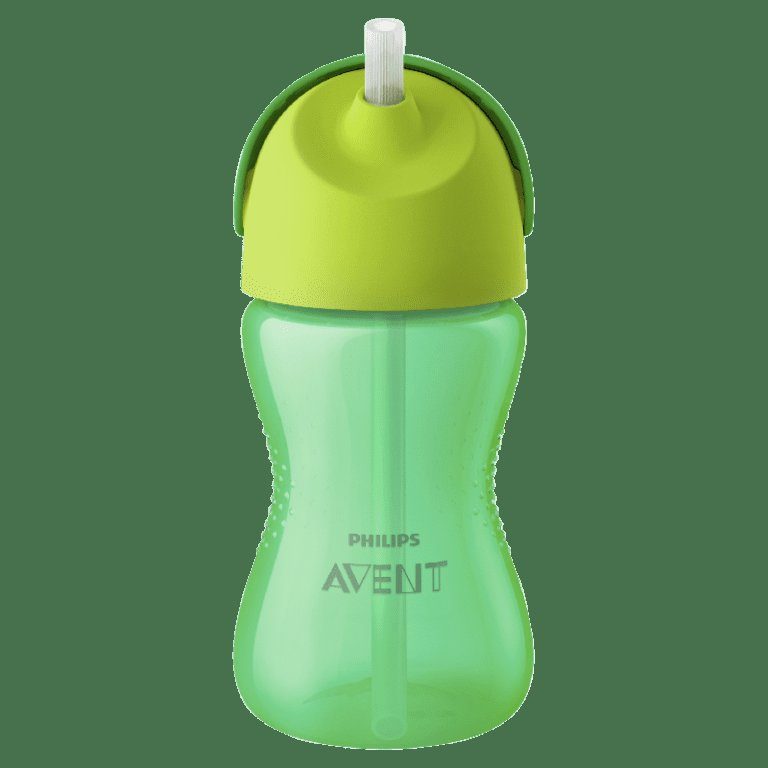
| Product | Philips Avent My Bendy Straw Cup |
|---|---|
| Maker | Philips Avent |
| Category | Feeding |
| Size / format | 200ml/7oz; 9m+ (also listed 12m+ in some regions). |
| Observed price | ₹454 (Flipkart India; US pricing UNVERIFIED) |
| Price source / date | Flipkart (India) · 2026-09-22 |
| Price confidence | indexed |
| Recall status | No exact-model recall found in consulted sources for window 2023-09-22 to 2026-09-22. CPSC database not directly queryable via available tools — status is unchecked, never cleared. |
The Philips Avent My Bendy Straw Cup is one of the most-sold straw cups on earth — 4.3 stars from 1,176 ratings on Flipkart India, 4.2 from 3,111 on FirstCry — and its signature feature is genuinely clever: the lower part of the straw is bent, so it reaches the liquid when the cup tilts, letting a 9-month-old drink in a natural position down to the last drop. Add an integrated anti-leak valve, a flip-top that protects the straw in a diaper bag, contoured handles, and parts that swap with most Avent bottles, and you have the safe default pick for the bottle-to-cup transition.
What's genuinely good: the bent straw is the rare gimmick that's actually engineering — straight-straw cups strand the last ounce; this one doesn't. The valve + flip-top combo makes it genuinely spill-resistant for travel. Disassembly is tool-free and every part is dishwasher safe, which matters because straw cups are mold vectors — a parent on FirstCry called it "hands down the best ever… you can literally remove everything and put it back together," and easy full disassembly is the single most important hygiene feature in this category. BPA-free, 200ml is the right size for 9m+ (not so heavy a baby can't lift it), and Avent ecosystem compatibility means the parts bin you already own keeps working.
The honest caveats — and this cup has a real complaint file. First, suction resistance: a September 2026 verified buyer wrote "sipper straw is v small to suck," and it's the most consequential complaint — a straw cup a 9-month-old can't draw from is a failed product for that child. Straw stiffness varies; some babies take to it instantly, others don't. Second, leaking: multiple "bottle leaking" reports — the anti-leak valve works until it doesn't, usually when the valve is misseated after cleaning or worn. Third, new-unit smell: Flipkart buyers report a "weird plastic/rubber kind of smell" that needs airing out. Fourth, not for hot or fizzy drinks (stated warning — the valve and heat don't mix). Fifth, color lottery: several listings note "color may vary," which is a minor annoyance when you're trying to match a set.
The social pulse: Avent is the incumbent brand parents buy on trust — the cup sells on the Avent name as much as its design. The sentiment pattern is "good, not perfect": quality praise is consistent, but the suction and leak complaints recur often enough to be real rather than noise. It doesn't inspire the devotion of a Munchkin 360 or the cult of a weighted-straw cup; it's the reliable middle.
Value call: in India it sells around ₹454–₹542 — firmly mid-range, fair for the brand and the valve engineering. (US pricing wasn't captured in this research; verify locally before assuming the India pricing translates.) Against cheaper straw cups: you're paying for the Avent valve and ecosystem. Against premium weighted-straw cups: this is simpler and easier to clean.
Bottom line: the safe-default straw cup with genuinely good design — test the suction with your baby early, seat the valve carefully, and air out the new-cup smell.
The buying protocol for this cup has three steps, and they're all in the complaint file. First, the suction test: buy one cup, not the multipack, and check within the return window whether your baby can draw through the straw — the September 2026 'too small to suck' report is the most consequential complaint because a straw cup the baby can't use is a failed purchase regardless of brand. Second, seat the valve deliberately after every wash; most leak reports trace to a misseated or worn valve, not a defective cup. Third, air out the new-cup smell before first use — the plastic-rubber odor buyers report does dissipate, but nobody wants it in the first impression. The India-market framing matters for expectations: this is a mid-range cup at ₹454–₹542, fairly priced for the Avent valve engineering and the ecosystem compatibility. Against cheaper straw cups you're paying for the valve; against premium weighted-straw cups you're trading features for cleanability.